


Riga is undeniably the gateway to Latvia, with a busy airport, Art Nouveau architectural gems in the city centre, a diverse international environment, and an active student life. However, to truly experience Latvia, it’s worth venturing outside the capital to other cities, towns, and the countryside, where local customs and traditions are still strong, passed down from generation to generation through songs, dances, rituals, and crafts.
Three reasons to experience Latvian traditions in the regions
Traditional Latvian holidays are worth celebrating in the regions for several reasons. First, in rural areas and small towns, an authentic festive atmosphere is more frequently preserved – community events take place at historical sites, outdoors or in museums, where you can see and experience traditional culture in its natural environment. Secondly, in Latvia, the distances between cities and regions are relatively short, so you can easily get to your destination from anywhere in the country. This is facilitated by both the well-developed public transport network – trains and buses – and car rental options, which allow you to plan your trip in Latvia flexibly. Thirdly, visiting traditional festivals in the regions can be combined with a longer road trip – in many places there are nature parks, scenic hiking routes and tourist attractions nearby.
Rich in Folk Holidays
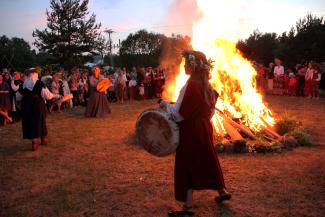
The Latvian year abounds in various customs and holidays, related to both ancient folk traditions and Christian holidays. Christmas occupies an important place in the winter season, featuring log-pulling rituals, funeral pyres, singing and other rituals to ensure fertility and prosperity. In the spring, Easter occupies an important place in Latvian traditional culture. During this time, eggs are painted and rolled, but swinging is also an important activity, which is associated with the arrival of spring, the power of life and the return of longer days. The culmination of summer is the evening of Līgo and Jāņi, when the summer solstice is celebrated at the end of June with songs, bonfires, wreath-making, gathering herbs and night vigils. It is at this time that many people leave the cities to celebrate the holidays in the countryside and in nature. In autumn, Miķeļi is a significant event, marking the end of the harvest season and associated with markets, feasting and traditions of gratitude for summer work. Alongside annual festivals, local crafts and community customs continue to live on in Latvia in various regions – from pottery and weaving to coastal fishing skills and festivals within local cultural spaces. Traditions and customs can also be explored throughout the year in ethnographic and open-air museums, where thematic events and demonstrations of traditions are regularly held.
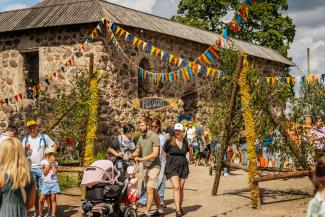
Below, we will highlight just a few examples among the diverse range of events taking place in Latvian regions. These events regularly attract many visitors and vividly demonstrate how a colourful and vibrant ecosystem of folk traditions and cultural events lives on in Latvia.
Fairs in Vidzeme, Solstice Celebrations and Coastal Traditions
In Vidzeme, in addition to solstice celebrations and coastal fishing traditions, artisan and merchant fairs also occupy an important place in the 2026 calendar of traditional cultural events. At the beginning of the spring season, the Cēsu Great Spring Market will take place, a gathering of merchants and visitors on 20 and 21 March, continuing the important trading and craft tradition in Latvia. On the Vidzeme coast, the Reņģēdāju Festival in Salacgrīva highlights the characteristic coastal culinary heritage and flavours of fishing culture on 16 May. In turn, the summer solstice will be accentuated by Zāļu tirdziņš in Limbaži on 23 June, when traditions related to Midsummer plants, crafts and festive preparations are celebrated enthusiastically every year.
Jāņu diena in Turaida, held on 21 June, also plays a special role in the Vidzeme cultural calendar, featuring summer solstice rituals in a historically and symbolically accurate format at the Turaida Museum Reserve. The traditions of the Vidzeme coast continue with the Fisherman’s Festival in Salacgrīva on 11 July, combining proximity to the sea with a festive local atmosphere and fishing heritage. At the end of the year, the Winter Solstice Celebration and Fair is held in Valmiermuiža on 19 December, focusing on the ancient themes of the return of light, festive culinary traditions, crafts and winter rituals.
Latgale Potters’ Days and Local Parish Ball
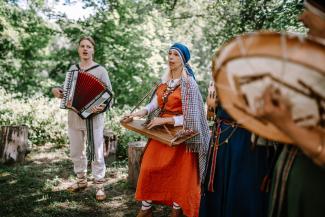
Latgale has already planned its 2026 calendar of folk and cultural events – from ancient crafts and local product festivals to open-air dancing, markets, church traditions and popular music events. In the spring, this rhythm is buoyed by the opening of the Latgale Potters’ Days exhibition on 25 April in the Rēzekne region, which will highlight one of Latgale’s most characteristic and recognisable craft traditions. On 23 May, Jersika will celebrate its traditional Honey Festival, where local farms will serve rural flavours and demonstrate the region’s characteristic hospitality, while on 30 May, the Latgale zaļumballe will take place, continuing the tradition of outdoor dancing and community celebration. The Great Latgalian Market in Ludza is also a high point in the summer calendar, where active trading takes place every year, craftsmen show off their skills and the Latgalian cultural environment blooms in all its glory. In August, the range of regional events is complemented by both pilgrimages and religious traditions in Aglona, where the Feast of the Assumption of the Blessed Virgin Mary is celebrated on 15 August, as well as cultural events intended for the wider public, including the Great Latgalian Hit Music Festival on 22 August.

Kurzeme Suiti Festival, Solstice and Fishing Traditions
This year, centuries-old Latvian traditions and rituals in the rural environment of Kurzeme still reflect a close connection with crafts, trade, singing and the coastal lifestyle. The beginning of spring is marked by Lieldienu lustes in Alsunga on 24 April, which continues the tradition of celebrating the turning of the year in the Suiti cultural space. Meanwhile, on 24 and 25 April, the Storytellers’ Festival – Ziv Zup 2026 will take place in Kuldīga and Alsunga, where local cultural life is maintained through oral storytelling and group events. Immediately after, on 25 April, the Fish Fly in Kuldīga event is planned in Kuldīga – every spring, fish jump over The Venta Waterfall on their way to spawning grounds, creating an astounding sight, even for those who have seen it before. During the festivities, the city will host a local produce market and fishing competition in Venta, highlighting the traditions of the local community.
On 30 and 31 May, Suitu Lebediks will be held in Alsunga, highlighting the customs of Suiti singing, music, dancing and joint celebration. Celebrate the summer solstice at Tiguļkalns Ozolu aplī together with the Talsi folklore group on 20 June. The thematic Līgo fair will be held at Ventspils Market on 22 and 23 June. Meanwhile, coastal traditions will be commemorated at Jūras sēvētki in Ventspils on 11 and 12 July, an event also accompanied by Jūras sēvētki and Sweets Festival. The traditions of Kurzeme fishermen are also richly feted in Roja, where Zvejnieksvētki is usually held on the second Saturday of July, a day that is closely related to the fishing profession and maritime lifestyle.
Zemgale Fairs, Craft Traditions and Zemgale Festivals
A connection to the land, harvest, crafts and shared celebrations is still important in Zemgale. The character of the region has historically been determined by agriculture, which is why the modern event calendar, along with cultural events, preserves the traditions of sowing, harvesting, trading and homemade production. The rhythm of spring is marked by Easter holiday events in Bauska municipality from 3 to 6 April, which highlight Easter customs and activities for families. Soon after, on 11 and 12 April, the intangible cultural heritage initiative Meet your master! will take place in Zemgale, the essence of which is the transfer of skills inherited from generation to generation in master classes, open workshops, dances and other events.
The summer solstice season in Zemgale continues with market and community holiday traditions – on 19 June 2026, Jāņu ielīgošanas Market is planned in Glūda parish, while the Pļavas sētki in Ozolnieki is planned to continue the season on 18 July, which is part of the characteristic celebration traditions of Zemgale.
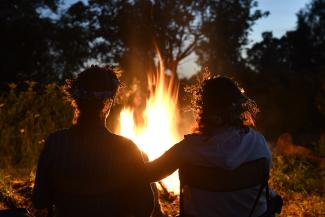
On the Dobele and Tērvete side, several seasonal customs and historical traditions are celebrated in public events. Some are related to the Latvian solstice, and others to ancient Semigallian customs. The summer solstice celebration in Tērvete usually takes place around 21 June at the Tērvete castle mound or wooden castle. The classic Jāņu traditions are observed during this celebration – weaving wreaths from meadow grasses, lighting a bonfire, singing and playing until sunrise. The fire ritual symbolises the power of the sun and the victory of light over darkness, while the use of herbs and wreaths is associated with fertility and health beliefs.
Zemgaļu svētki is a special event in Tērvete, traditionally held on the second weekend of August on the grounds of the Tērvete Wooden Castle. In 2026, it is scheduled for 7–9 August. This festival reflects the ancient Semigallian lifestyle and military traditions. The event includes demonstrations of knightly and soldier combat, archery tournaments, craft workshops and demonstrations of ancient crafts. A staged attack on and defence of the castle also takes place, reminiscent of the battles between the Semigallians and the Livonian Order.
Since summer event programmes and exact times may change, it is best to check the official website of the specific city, county, or event organiser before attending.


