


Latvian markets and fairs offer a wide range of products from local producers, farmers and artisans, from everyday food products to unique design items and flea market gems. Latvia is home to a vibrant mix of historic permanent city markets, themed fairs and travelling markets, as well as Christmas markets, which accentuate the festive atmosphere at the end of the year.
Latvian market culture is closely linked to the seasons. In spring, the first greens, onions, radishes and birch sap appear in market stalls. Summer counters, in turn, are filled with strawberries, cherries, currants, blackcurrants, blueberries and other fresh seasonal produce. In autumn, produce stands abound in apples, pumpkins, root vegetables, honey, cranberries, lingonberries, chanterelles and boletus, a bounty that vividly illustrates the tastes of the Latvian harvest. In winter, sauerkraut, pickles, smoked products, rye bread, gingerbread, hot drinks and artisanal products are readily available.
Permanent city markets operate daily and are important venues for selling local food, seasonal products and artisanal goods. Moreover, annual fairs, seasonal markets, farmers’ and home artisans’ markets, and holiday markets create even more opportunities to meet producers from different regions and experience the tastes, skills, and traditions characteristic of each time of year, complementing city festivals, solstice celebrations, harvest festivals, and Christmas and cultural events.
Today, the largest Latvian markets have also become tourist attractions, an integral part of the urban environment and important meeting places. A prime example is Riga Central Market, whose historic pavilions and vast market space highlight not only the diversity of local products, but also the city’s history, architecture and everyday life. Other ancient markets offer cultural and architectural value by maintaining the connection between traditions, crafts, local trade and social life. Markets are increasingly hosting events, concerts, seasonal festivals and gourmet gatherings, where visitors can not only buy local products, but also have a meal and enjoy the atmosphere of the city or region.
Important trading places with unique history and architecture
Riga Central Market, located right next to the Old Town, is one of the most impressive markets in Europe. It was officially opened in 1930, but its history began much earlier, when local farmers met with city dwellers on the banks of the Daugava River to sell their harvest and everyday goods. The market is especially significant for its architecture – five spacious pavilions, which were originally intended as hangars for German army airships and were rebuilt and adapted to the needs of the market. These grandiose metal structures became an integral part of the Riga landscape and one of the most recognisable symbols of the city. The Central Market attracted traders and buyers from all over Latvia offering fruit, vegetables, meat, fish, dairy products, bread and various household goods. For many years, it was one of the most important daily shopping centres for Riga residents.
You can still enjoy the original character of the Central Market today: converse with sellers, taste before you buy and immerse yourself in the lively market atmosphere. In addition to local residents, tourists flock to the market in search of traditional Latvian flavours, including rye bread, smoked fish, honey, cheeses, seasonal fruits and other local products. The market premises are also increasingly used for gastronomic festivals, street food events and cultural events.
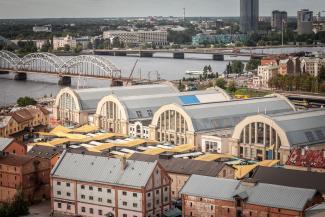
Āgenskalns Market has been operating since 1898 and is the largest and oldest neighbourhood market in Riga, hence its status as a national protected cultural monument. From 2018 to 2022, the market’s historic pavilion underwent extensive renovation, restoring its role as an important neighbourhood landmark of community, shopping and culture. Local farmers, producers and craftsmen gather at the market every day, supplemented by flea markets on Sundays.
Āgenskalns Market is designed as an inclusive, versatile and environmentally friendly public space where cultural, educational and community events are held in cooperation with neighbourhood and city organisations. By restoring the Āgenskalns Market Pavilion, its historical character and architectural value have been preserved. The red brick facade, openwork metal structures, spacious galleries and thoughtful interior design give the building a special atmosphere. After restoration, the pavilion regained its original expressiveness, allowing visitors to enjoy the market atmosphere in a historic and well-structured environment.
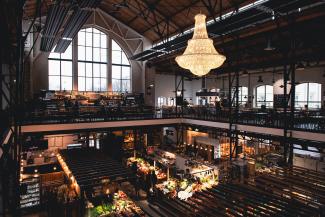
Peter’s Market is located in the city centre and is one of the most important architectural objects in Liepāja. The market building was built in 1910 and its expressive facade still attracts attention. The red brick walls, high windows and decorative details give the building a solemn, almost sacred atmosphere. The market is also an important part of the city’s identity, reflecting Liepāja’s economic activity and work traditions.
See the catch of the day every morning at Peter’s Market thanks to local fishermen, featuring herring, flounder and other Baltic fish. Autumn produce grown by local farmers, such as potatoes, beets, carrots, cabbage and legumes, create a true cornucopia of fall colours, while strawberries, berries, herbs and flowers make the summer even sweeter. Many buyers choose Peter’s Market precisely because they want to know the origin of their food and trust the sellers with whom they have established dependable relationships.
Like other Latvian markets, Peter’s Market is also experiencing competition from supermarkets and online shopping. The flow of shoppers tends to fluctuate, especially in the winter months, so merchants are looking for new ways to win customers. Some offer pre-ordering or home delivery; others are using social media more actively. In recent years, concerts, artisanal markets and culinary workshops have also been organised at the market. This accentuates its importance in city life and helps attract new visitors.
Cēsis has long been considered one of the most beautiful and historically significant cities in Vidzeme. Its cobbled streets, medieval castle ruins and active cultural life attract both visitors and locals. The character of the city is also reflected in the daily atmosphere of Cēsis Market, where local tastes, traditions and strong work ethic intersect.
The Cēsis City Market is a place where local farmers, artisans, craftsmen and buyers meet, keeping both the community and local economy alive. Homemade products are particularly popular at the Cēsis Market and include fresh cheese, honey, home-smoked meats, vegetables, berries, herbs and pastries, as well as the rye bread, cakes and linseed cookies that are most closely associated with local Vidzeme traditions. Local potters, textile artists, jewellers and woodworkers also sell their wares, creations that are both practical and aesthetic, which often embody the experience and story of the craftspeople that made them.
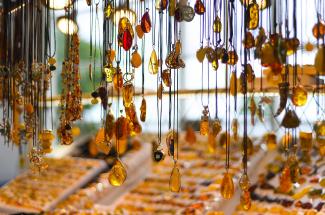
Daugavpils Market is an important local economic hub and lively social gathering place, which vividly mirrors the atmosphere and daily life in the Latgale region. Both permanent traders and seasonal artisans from nearby Latgale farms operate here. Seasonal vegetables, berries, honey, dairy products, home-smoked meats and fresh eggs are widely available at market stalls. At the Daugavpils Market, goods can still be purchased directly from producers, without intermediaries. Many traders represent family farms, where skills and work experience are passed down from generation to generation, which offer not only quality, but also a personal story. Buyers can learn how strawberries are grown, how cheese is made or how meat is smoked with a certain wood.
Latgale cuisine, featuring hearty, simple and rich tastes, occupies a special place of honour in the market. Daugavpils market is the perfect place to find local delicacies such as buckwheat with bacon, potato pancakes and home-baked pies with various fillings. Homemade preserves are another significant part of the market’s offer, including pickled tomatoes and cucumbers, various berry jams, salted mushrooms and dried herbs for tea. These products are mostly made by hand, based on traditional recipes that have been preserved in families for several generations.
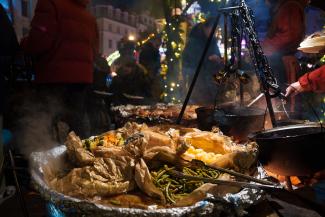
Fairs, Traveling Fairs and Christmas Markets
Fairs, traveling fairs and Christmas markets in Latvia represent a living tradition of local trade and celebration, where craftsmen, artisanal producers, farmers, designers and buyers meet. This tradition is particularly visible at the Craftsmen’s Fair of the Latvian Ethnographic Open-Air Museum, which has traditionally been held on the first weekend of June since 1971 and has become an important Latvian craft event over the decades. Daily and weekly flea market culture in Riga is maintained at the Kalnciema Quarter Market, where products from local farmers, artisanal producers, craftsmen and designers are available on Saturdays throughout the year, but the market programme is often adapted to seasonal holidays and supplemented with creative events. In Sigulda, the Latvian Plant Parade is a long-awaited and important event every spring, which takes place in Sigulda’s Svētku laukums and brings together hundreds of plant growers, gardening enthusiasts and local traders. The traveling market tradition is embodied by KuKU Market – a contemporary open-air concept market for Latvian craftsmen, designers, artisanal producers and farmers held in various locations across Latvia. At the end of the year, Christmas markets, especially the Old Riga Christmas Market in Dome Square, create festive bazaars featuring creations by Latvian artisanal producers and craftsmen, holiday food and drinks, as well as a cultural programme. It is nice to see the growing numbers of foreign visitors to the Old Riga Christmas Market in recent years. In fact, the merry market on Dome Square, showcasing products made by Latvian craftsmen and artisans, as well as food, drinks and cultural attractions, has become one of the most recognisable tourist events of the Riga winter season.


