


As the end of the harvest season comes to an end and the leaves turn shades of yellow and red, Latvian kitchens fill with hearty, aromatic dishes. Our gastronomic identity is rooted in a centuries-old way of life in which harvesting crops on time and preparing provisions for the long winter months were essential. These historical traditions are successfully carried into modern cuisine, creating a rich palette of seasonal flavours.
Latvian autumn cuisine is shaped by garden-grown root vegetables, orchard fruits and the abundance of the forest, with the skills of gathering and preparing these ingredients passed down from generation to generation. At this time of year, local produce takes centre stage, creating a varied and plentiful seasonal menu. Autumn is the perfect time to appreciate every nuance of flavour, as ingredients gathered from gardens and forests are at their very best. Traditional dishes are prepared in almost every Latvian household, while distinctive seasonal flavours can also be enjoyed at the annual Miķeļi fairs, autumn Restaurant Weeks and Home Café Days.
Garden produce and praditional dishes
With the arrival of autumn, potatoes, carrots, beetroot, swede, turnips and celeriac form the base of many traditional Latvian seasonal dishes. Historically, these vegetables provided essential nutrients during the colder months, which is why they are prepared in so many different ways. Typical autumn dishes include vegetable and meat stews, as well as a variety of creamy soups flavoured with local herbs.
Freshly harvested potatoes occupy a special place in Latvian autumn cuisine and are often served with cottage cheese and fresh mushrooms or meat sauces. Beetroot is used not only in the popular beetroot soup, but also roasted as a side dish or served in salads with garlic and nuts. Sauerkraut-making is another autumn tradition that begins with the harvest of late-season cabbages. Sauerkraut stewed with caraway seeds and pork is a classic dish in Latvian cuisine, served both as an everyday meal and on festive occasions.
Today, many restaurants and other food establishments make extensive use of seasonal autumn produce, combining familiar traditional flavours with new textures and modern cooking techniques, such as slow cooking and fermentation.
Pumpkin – the garden’s largest berry and a unique ingredient
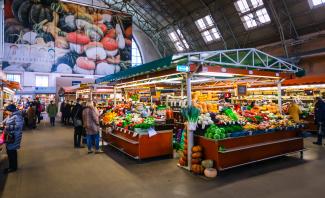
Pumpkin, often described as the world’s largest berry, holds a special place in Latvian gardens and becomes both a visual and culinary highlight in autumn. Latvia’s climate makes it possible to grow pumpkins in a wide variety of shapes, sizes and colours – from small, sweet butternut and Hokkaido varieties to enormous specimens weighing several dozen kilograms. Pumpkin-growing traditions in Latvia are supported by dedicated enthusiasts and farms, and each autumn the Latvian National Museum of Natural History usually hosts an exhibition showcasing a range of unusual varieties.
Pumpkin is an exceptionally versatile ingredient. Its mild, creamy flavour makes it suitable for both savoury and sweet dishes. One of the most popular autumn dishes is pumpkin cream soup, often topped with roasted pumpkin seeds and served with local hemp seed butter or goat’s cheese. Pumpkin is also widely used for pickling – cut into cubes and cooked in a sweet-and-sour marinade with cloves and cinnamon, it becomes a traditional accompaniment to winter meat dishes. In baking, pumpkin purée is added to doughs and batters to create moist pies, cakes and breads, while candied pumpkin is a popular and wholesome treat.
The diversity of Latvian apples and ciders
Apple trees are the most common fruit trees in Latvian gardens, and the apple harvest is one of the clearest symbols of autumn. Latvia has a rich fruit-growing tradition, with many locally bred varieties well suited to the region’s climate. Popular autumn and winter varieties include Antonovka, known for its pronounced acidity and aroma and particularly suitable for baking and processing, as well as Sīpoliņš, Auksis, Eksotika and others. Apples are widely enjoyed fresh and are also used extensively in cooking – from classic apple pies with cinnamon to apple and blackcurrant preserves and freshly pressed juice.
Latvia has a strong tradition of natural cider-making based on locally grown apple varieties. Latvian cider producers have demonstrated that Northern European apples, with their high levels of acidity and tannins, are particularly well suited to producing high-quality cider. Several well-known cider makers operate across different regions of Latvia, offering excellent quality and a wide variety of styles. These include Sabiles Cider in Kurzeme, Abavas Winery and Cidery in the Tukums area, Mr. Plūme in Ogre Municipality, Tālava in Gulbene, the Zilver brand in Sigulda, and the craft cidery Abuls in Smiltene. Their ranges include dry and sparkling ciders, semi-sweet varieties, and even hot spiced cider drinks, which are particularly popular on cool autumn and winter evenings. These producers are helping to raise the profile of Latvian cider while strengthening the country’s apple-growing traditions.
Mushroom and berry picking in Latvia – traditions and preserving for winter
Mushroom and berry picking is both a cultural phenomenon and something of a national pastime in Latvia. After the autumn rains, experienced mushroom pickers head into the forests, relying on their knowledge of different species and the places where they grow. Others simply combine mushroom picking with a walk and time spent in nature. Among the most popular mushrooms are porcini, orange birch boletes, brown birch boletes and chanterelles, which can be found from summer until late autumn, depending on the weather. Autumn also brings a variety of russulas, woolly milkcaps and alder milkcaps. Each species needs to be prepared correctly; for example, woolly milkcaps and alder milkcaps must be boiled before they are eaten.
Fresh mushrooms are used in sauces and soups, often combined with new-season autumn potatoes, onions and sour cream. In many Latvian households, mushrooms are still carefully preserved for the winter months. Pickling is one of the most popular methods – the mushrooms are cooked in a vinegar marinade with peppercorns, bay leaves and garlic, creating a crisp and aromatic snack. Mushrooms are also commonly salted, dried and frozen.
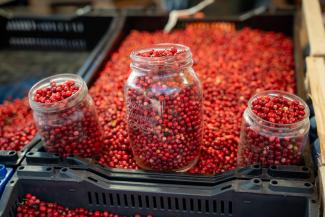
In addition to mushrooms, Latvia’s forests and bogs offer a wide variety of wild berries. The main autumn berry is the cranberry, which is picked in moss-covered bogs across the country. Cranberries are known for their high vitamin C content and natural preserving qualities, allowing them to be stored for long periods simply in clean, cool water. They are used to make sauces, syrups and the popular Latvian treat of cranberries coated in icing sugar. Another important wild berry is the lingonberry, which is often cooked together with apples to make a rich preserve traditionally served as an accompaniment to game and poultry dishes.
Miķeļi traditions and autumn markets
Miķeļi has historically been associated with abundance, prosperity and gratitude for the year’s harvest. It also marked the beginning of major autumn fairs, a tradition that remains vibrant and popular throughout Latvia today.
Today, Miķeļi and harvest fairs are held every autumn in towns and municipalities across Latvia. Popular and well-attended Miķeļi markets regularly take place at Dome Square in Riga and at the Latvian Ethnographic Open-Air Museum. Similar events are also held in major regional centres, such as Sigulda, Kuldīga, Cēsis and Valmiera, all of which are easily accessible to travellers by public transport. At these markets, local farmers, craftspeople and small-scale producers offer some of their finest products. Visitors can buy fresh bread, a variety of cheeses, smoked meat and fish, honey, homemade wines and ciders, as well as handcrafted items, such as pottery, knitwear and wooden utensils.
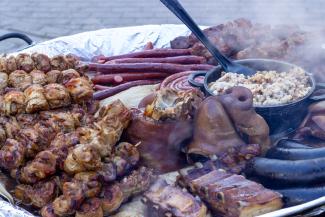
The fairs feature performances by folklore groups, dance ensembles and musicians, alongside demonstrations of traditional crafts and a variety of creative workshops for both children and adults. They offer an authentic experience, with autumn vegetable and mushroom soups prepared in large pots on site, along with other hearty seasonal dishes. Miķeļi markets attract large crowds and also give international visitors an excellent opportunity to discover Latvia’s autumn traditions.
Autumn Restaurant weeks and Home Café days
The flavours of autumn can also be explored through the traditional Restaurant Weeks, which are regularly organised in cities across Latvia. During these events, restaurants offer specially designed set menus at fixed, more affordable prices, with a strong focus on seasonal ingredients and flavours. Restaurant Weeks in Riga, Jūrmala, Valmiera, Liepāja and Cēsis attract large numbers of visitors, offering dishes such as game meat served with lingonberry sauces, root vegetable purées, and desserts featuring local apples, sea buckthorn and honey. Chefs use their creativity to transform the abundance of Latvia’s forests and gardens into distinctive culinary creations. Up-to-date information about Restaurant Weeks in different cities and their menus can be found each year in the events section of our portal.
Alongside city Restaurant Weeks, Home Café Days take place across Latvia’s regions, beginning in summer and continuing into early autumn. The initiative gives local farms, small-scale producers and enthusiasts the opportunity to open their doors to visitors for one or two days and transform their homes or farms into temporary cafés. Events are held throughout Latvia – from coastal villages in Kurzeme to the lakes of Latgale and the highlands of Vidzeme. Hosts serve a variety of local dishes, including wood-fired bread, homemade cheeses, smoked products, hearty soups and home-cooked roasts. Home Café Days offer visitors the chance to discover a wide range of rural flavours, visit local farms and meet the people behind the food. To plan a route and check event dates, the best source of up-to-date information is the official Home Café Days website.


