


Foreign guests who come to Latvia stay mostly within the capital. But Pierīga, with its charm, incredibly green neighbourhoods, ancient architecture, and kind and hospitable people, is also a quickly accessible and interesting tourist destination.
Diverse Pierīga
Travellers looking for romance will find unforgettable sunset views by the sea, on riverbanks or in the picturesque meadows of the Pierīga region, while gourmets enjoy local food and drinks in country cafes, breweries and wineries. Families with children can enjoy educational nature trails, zoos and amusement parks, while lovers of active recreation will love the region’s cycling paths, water sports or, in winter, ski slopes. Pierīga also offers a variety of events – craft fairs, concerts in manor parks and traditional festivals – in small town squares. Visitors can find special attractions every direction from Riga, whether they prefer the sea coast and beaches, or forests, lakes and nature reserves.
Pierīga Castles and Manors
Pierīga’s historical architectural gems dot the landscape near and far. With careful planning, you can even visit several historical sites in one afternoon. Mārupe is home to Švarcenieki Manor, built in 1826 as the summer residence of the nobleman Švarcs for hunting and recreation purposes. It is currently open for viewing, allowing visitors to learn more about the local history.
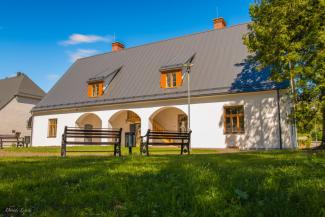
In nearby Ķekava region is the Depkina (Rāmava) Manor, or, more precisely, the manor house – a beautifully restored two-story wooden building, one of the best-preserved manor houses in Pārdaugava. The house is surrounded by a landscape park with several rare plant species and a small river. Excursions to the manor and various creative workshops are also available with prior registration.
On the Baldone side, a century-old lime tree alley leads elegantly into the courtyard of the Mercendarbe Manor, which has been mentioned in literary sources since the 17th century. Although the owners and times have changed, the manor has retained its historical appearance and charm. The building’s special pride is the 18th century oak front door made in rococo style, which has been recognised as a piece of high-value cultural heritage and a monument of national importance. The manor regularly hosts ceremonial events, concerts and seminars, and overnight stays are available for guests from Latvia and abroad.
In Ropaži municipality, on the bend of the Lielā Jugla River, Lante Manor offers historical log cabin architecture; tours must be booked in advance. Lante Manor was built in the second half of the 19th century – a log cabin with a stone tower and corner outbuildings. A park was established next to it, and later a stone bridge was erected across the Lielā Jugla River. During the Soviet period, a horse rental point and collective farm office were located here.
In Salaspils district, on the picturesque Dole Island on the banks of the Sausā Daugava River, opposite Ķekava, the Dole Manor Complex is located. The manor dates back to 1631, and the so-called manager’s house has survived from ancient times – a two-story brick building with a steep tiled roof (currently private property). The complex also includes the site of Jaundole Castle – the predecessor of the manor (14th–17th centuries) at the mouth of the Lebjava River in Sausā Daugava. The new manor house, built in 1898, today serves as the Daugava Museum; the original polychrome facade painting of the building was restored in 2005. Dole Manor Park is an outstanding example of garden art of the late 18th and early 19th centuries.
In the city of Jurmala, amid the resort atmosphere and the rustling of pine trees, it is worth visiting the summer house of the architect and patron Kristaps Morbergs in Dzintari – a pearl of wooden architecture. Kristaps Morbergs’ family summer house with a botanical garden is an outstanding example of neo-Gothic wooden architecture, which is especially distinguished by ceiling paintings, polychrome neo-Renaissance stoves and fireplaces, parquet floors, stained glass windows, original doors and windows, plank floors, as well as many other significant architectural details.
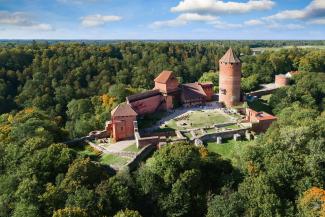
Charming Sigulda can definitely be considered the kingdom of Latvian castles. Built in 1207, the Livonian Order Sigulda Castle was originally a castle-type fortress, but was later rebuilt into a convent-type building. Today, fans of medieval atmosphere can climb the North Tower and the main Gate Tower. The New Castle of Sigulda and Castle Quarter was built in 1878, and the building has retained its external neo-Gothic features. Today, craftsmen and artists work in the creative quarter of the castle within workshops and salons where you can try out new skills, as well as buy crafts and souvenirs. In nearby Turaida Museum Reserve, you can see exhibitions on the history of archaeology, culture and art, which recount events as far back as the 11th century. Many stories are remembered here – about the medieval castle and church, the Livonians of Gauja, the ancient manor centre and Daina Hill.
Pierīga Nature Routes
In Pierīga, nature and beautiful landscapes surround you and create many appealing walks and hikes. In Ādaži municipality, Carnikava boasts the Regional Research Centre located in Cēlāji house, which depicts the life of Vidzeme fishermen. There is also a well-equipped recreation area near the museum. After the tour, walk to where the Gauja River empties into the sea or take a 2 km promenade through a pine forest, where the Livonian road pattern is engraved in concrete slabs. The trail is also suitable for bicycles and wheelchairs.
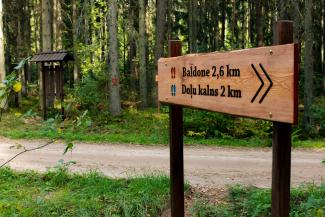
On the border of Olaine and Ķekava municipalities, Riekstukalns is a popular spot for skiing and snowboarding in winter, as well as walks, obstacle courses, disc golf and quad bike rides in spring and summer. Set off on one of the Story Trails to discover the natural and cultural-historical treasures of Baldone with the help of an audio guide. Follow the red markings to take the large loop of the story trail, which is approximately 20 kilometres long and includes 16 tourist attractions, for which an audio guide has been developed. The blue markings will take you on the small loop of the story trail, which is approximately 8 kilometres long and includes 9 tourist attractions. The small loop can also be travelled by bicycle. Babīte municipality is home to Cena Moorland, a specially protected nature reserve. The moorland has a 5 km long boardwalk trail, featuring an observation tower so visitors can look at the bog from above. Peat extraction is still taking place in the bog and visitors can also visit the peat extraction field. In spring, Cena Moorland is especially interesting for birdwatchers. Ten bird species protected in Latvia and Europe can be found in the bog, as well as several other small birds.
Babīte municipality is home to Cena Moorland, a specially protected nature reserve. The moorland has a 5 km long boardwalk trail, featuring an observation tower so visitors can look at the bog from above. Peat extraction is still taking place in the bog and visitors can also visit the peat extraction field. In spring, Cena Moorland is especially interesting for birdwatchers. Ten bird species protected in Latvia and Europe can be found in the bog, as well as several other small birds.
Just a 40 to 50 minute drive from Riga you can take a walk or short hike at the Ropaži 5 nature trails. Writer Jānis Jaunsudrabiņš’ educational trail is approximately two kilometres long, with stands about nature, animals and insects, as well as sayings and quotes from the writer himself, along the entire route. The Lielie Kangari nature reserve – the largest mound in Latvia – offers a 33.5-metre-high observation tower and a comfortable two-kilometre trail with informative nature and health stands. Get an early start on the weekend, take your breakfast with you and climb the tower to watch the sunrise, or – if you are a true “night owl” – don’t miss the sunset. The Diž-Ozolu nature trail features mighty oak groves, about which you can learn more at the information stands. After a good walk, you can take a breather at the picnic and campfire sites.
The Vangaži–Rāmkalni forest trail starts in the very centre of Vangaži. After the town, it winds along small forest paths past the Vangaži Lutheran Church and the Vilkači pine, then leads to the Hunting Castle along Katrīna Road, at times disappearing into the thicket and continuing behind the castle along the Hunters’ Power Trail, where the first ravines of the ancient Gauja Valley’s pronounced relief appear. Inside one of them is Inčukalns Velnala, surrounded by the ancient Gauja River. In turn, the Zaķumuiža nature trail is almost two kilometres long with a medium level of difficulty, an appealing walk in all seasons and also accessible for carriage rides and bicycles, as well as cross-country skiing in winter. The path cuts through the historical manor park, where you can see century-old trees, various plants, insects and birds.
There are many romantic and poetic viewpoints to watch the sunset in Pierīga, especially the lovely sandy beaches, which stretch for dozens of kilometres across Pierīga. Riga Airport in the Mārupe region also offers panoramic viewing points for enjoying both aircraft and breath-taking sunsets. Several embankments have been created in the area that visitors can climb to enjoy an even wider view of the runways. Watch how the sunset plays with colours and tints not only the clouds, but also the planes.
How to travel around the Pierīga region?
There are various convenient ways to travel outside of Riga. A regular train service runs from Riga Central Station to Jurmala, Sigulda, Saulkrasti, Jelgava and Ogre, which is a fast and convenient way to get around. By bus from Riga Bus Station, you can access not only larger cities but also smaller towns and villages, ensuring you can explore every corner of the Riga region.
If there is no public transport along your intended route, consider taking advantage of one of the car sharing services or a rental car, which gives you the freedom to visit more remote places. For more active travellers, bike sharing systems are also available, and trains are adapted to transport bicycles.
Pierīga region is a place where history, nature, romance and gourmet journeys provide unforgettable experiences that are easily accessible from Riga. The story of Pierīga is also the story of the people who live there and proudly share their traditions. Travellers are welcomed as friends, and the warm welcome reminds us that real memories are made through interpersonal contact and sharing experiences.


