


Winter in Latvia is more than breath-taking snowy views, ski slopes, and the unique atmosphere of magical winter days – it is also a very practical choice for smart travellers. During the winter months, Latvia becomes a haven of tranquillity, offering greater comfort and cost savings than the active tourism season.
Why is the winter season a good time to visit Latvia? First and foremost, costs are lower, from airline ticket prices to hotels with greater capacity. That gives visitors more opportunities to find attractive offers and greater availability. In 2025, Riga was recognised as the most affordable city in Europe for short trips (city breaks) in the “City Costs Barometer” rating. This means that exploring architecture, visiting restaurants and enjoying cultural highlights costs less than elsewhere in Europe.
Fewer tourists in winter is also a definite plus, allowing you to explore cities at your leisure, avoid long lines at museums, navigate the quiet elegance old town streets, and take the time at popular tourist sites to notice details that get lost in the high summer season. Solitude surrounds you in the forest, by the sea and on nature trails where you can experience the majesty of Latvian nature. The peace of winter only enriches travel.
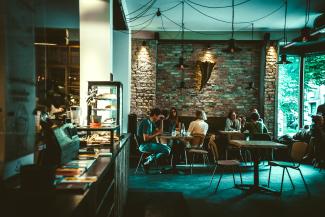
Thirdly, transportation and getting around in Latvia is convenient even if you don’t have a car. Various shared transportation services are available in Riga and other cities, and public transport is intuitive and user friendly. If you are working remotely, you’ll find a range of public spaces to accommodate you. Cafes in the centre of Riga are especially popular among students with computers, and the architectural gem that is the National Library of Latvia offers free rooms adapted for remote work as well as fantastic views of the ancient houses and church towers of Old Riga. On top of all that, Latvia has another practical advantage in the form of high-speed internet, a must-have for remote work.
Museums, concert halls and exhibitions
Every autumn, theatres, opera and ballet in Latvia launch a new season of expositions, performances and museum exhibitions, providing visitors with a tantalising selection of cultural events. Take in an opera, ballet or theatre performance or explore new horizons in one of many museums. Though summer is a time for open-air festivals, Latvian concert halls sparkle in winter when world-class musicians perform in Riga, often offering greater affordability and ticket availability than other European capitals. Starting in December and continuing after the start of the year, churches and concert halls host classical and choral music concerts featuring festive repertoires and high-level performers. Winter cultural life also thrives outside the capital in the form of art exhibitions, concerts and festivals. In Cēsis at the Vidzeme Concert Hall, in Liepāja’s Great Amber Concert hall, and in Rēzekne, home to the Latgale Embassy GORS, rich cultural programmes continue throughout the year, including excellent music and art events and performances.
The wealth of museums in Latvia is surprising, and winter is the right time to visit them at a leisurely pace. Riga is like a living cultural canvas, where both rich historical narratives and bold expressions of contemporary art exist side by side. In the winter season, the exhibition offered by the Latvian Ethnographic Open-Air Museum is particularly noteworthy, providing a window into the traditional culture and peasant life of Latvia. On the winter solstice, the longest night of the year, the museum hosts a celebration in the ancient Latvian tradition of Yule Log Eve with games, dancing and fortune telling, but the main event is the pagan custom of dragging logs to symbolically collect all the misfortunes of the previous year before placing them on a pyre to burn away negativity and wait for dawn to break. Visitors, alongside ritual reenactors, are invited to experience this ancient Latvian tradition first hand.
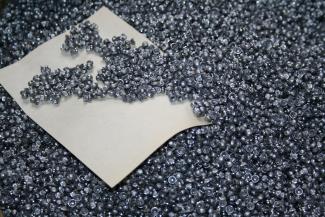
Latvia offers a wide variety of unique museums, including the Milk Museum, featuring an interactive exhibition to help you learn everything about milk, and the Doll Gallery in Preiļi, where you can see hundreds of dolls and even dress up in princess costumes. You can also climb a 30-metre tower and learn about the ancient process of casting ammunition in the Daugavpils Shotgun Factory Museum.
Castles and manors
Snow-covered fields and parks complement majestic castles and manors in Latvia, transforming them into real fairy-tale landscapes. Many castles and manors invite visitors to explore their luxurious interiors, exhibitions and legends. Several of these sites are imbued with a special aura of antiquity. For example, on the Alūksne side, in the Jaunlaicene Manor Museum, you can learn about the achievements of the once influential Baron Wolf family, see engaging exhibitions, and listen to an interactive guide that recounts the story of the manor as you stroll through Jaunlaicene Manor Park.
The proudest castles of Zemgale – Rundāle Castle and Bauska Castle – gain a special ambience in winter. The snow-covered gardens and majestic facades create a festive atmosphere and backdrop for concerts and creative workshops. While visiting Dundaga Castle in Kurzeme, you can enjoy a special retrospective – the castle houses a portrait gallery of former owners and an exhibition with photographs and drawings illustrating the stages of the castle’s construction.
Other historical manors and castles offer interesting indoor exhibitions, which are worth visiting. Explore the walls of Cesis Medieval Castle by candlelight during special events, and take advantage of craftsman markets and workshops in Sigulda Castle Quarter. Many manors host museums or exhibitions, including Blankenfelde Manor in Zemgale, where visitors are welcome to drop by the “Museum of Bells” and learn about the building’s history.
Urban tranquillity
One of secrets of travelling, which seasoned tourists discover over time, is quite simple – cities often only reveal their true character once the peak tourist season ends. During the summer, cities throng with tourist groups, festivals and constant hustle and bustle. Winter, in contrast, blankets urban jungles in calm and serenity, so you can get to know them in your own time.
In the winter, Riga rests and recharges after the crowds and rush of summer. Old Town Riga acquires a special atmosphere on early winter mornings and late afternoons. Without large groups of people blocking the views, there is no obstacle to relishing the city’s fantastic architecture. The warm light of lanterns is reflected in shop windows and on the snow, lending Old Riga, the quiet city centre and the pearls of Art Nouveau architecture a fabulous winter glow.
Cēsis is one of the most romantic stops in Latvia in winter – the medieval castle park with its subtle illumination and lantern lights resembles a theatre stage when night falls. The castle ruins look harsh and imposing against the snowy background, but the wooden houses of the old town with their snow-covered roofs create a special cosiness. Not far away is Sigulda – the capital of Latvian castles and winter sports, where winter offers a unique spaciousness and charm. Meanwhile, Valmiera – once a Hanseatic trading city, is characterised by Nordic peace and relaxation in winter. The Gauja River, which flows through the city, often does not freeze completely, creating a charming contrast.
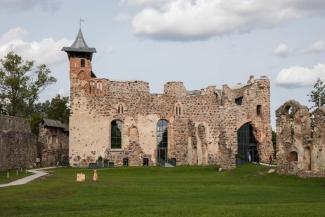
In Zemgale, Jelgava invites you to Pasta Island, where you can enjoy open-air objects and a light show on the Mītava Bridge stretching between Lielupe and Driksa. Jelgava Castle – the largest Baroque castle in the Baltics – looks even more majestic in the winter landscape. Nearby is Dobele and its most notable gem – the Livonian Order Castle, which has today become a multifunctional, cultural, craft and tourism development centre.
The cities of Kurzeme tend to resemble old-fashioned postcards in winter. Kuldiga, included in the UNESCO World Heritage List, is especially enchanting at this time. The partially frozen Venta River forms temporary “sculptures” in the ice, which, together with the old brick bridge, create the impression that time has stopped, even if only for a moment. Kuldiga’s wooden architecture with its unique windows and doors can be enjoyed at any time of the year. Very close by is Kandava with its cobbled old town and the Powder Tower, an enticing destination with all the charms of a quiet small town.
The largest city in Latgale, Daugavpils, with its impressive fortress, is worth a visit. The 19th-century ramparts and buildings are living witnesses to history, surrounded by vast grounds that are perfect for a short hike. The Hill of Churches, home to four houses of worship from different denominations located side by side, symbolises the unifying spirit of Latgale. The small town of Ludza has a special story – the oldest city in Latvia also retains its mystery in the winter season. The ruins of Ludza Castle, reflections of frozen lakes, wooden architecture and peace combine, to the delight of visitors.
Winter dining and seasonal local cuisine
The cold months in Latvia are associated with comfort food and hearty meals, which are also appreciated by guests. Latvian national cuisine is traditionally based on local products – potatoes, vegetables, and other produce harvested in forests and fields. Grey peas with bacon make a regular appearance on the winter menu. Traditionally, grey peas are soaked and boiled until soft and served with fried bacon, smoked pork and onions – a simple but very hearty dish that warms you from the inside in cold weather.

In Latvia, mulled wine is served in many locations throughout December and January. Various hot herbal tea drinks with fragrant honey are also popular for their warming properties and immunity-boosting benefits. Winter is a time for creamy vegetable soups enriched by the autumn harvest. Among other delicacies, you will also find bacon pies, stewed cabbage, roast pork and, of course, the famous and hearty Latvian potato pancakes.
Sweets are also in demand and the traditional selection includes a rye bread dessert with whipped cream, honey cake, gingerbread cookies and candies. Make sure to try Gotiņa, a toffee-like milk candy, which often features taste variations such as hazelnuts, pumpkin seeds or even gingerbread flavour.
Latvian country inns and manor restaurants are open all year round and serve up authentic Latvian cuisine. If you see the sign “Latvian cuisine” on the door, you can be sure that the restaurant fare is made from local products and based on Latvian traditions.


