


Salaca Adventures – From Peaceful Escapes in Nature to an Overnight Paddling Challenge
The Salaca is one of Latvia’s most scenic rivers, offering the opportunity to combine outdoor activities, spectacular natural landscapes, overnight stays along the riverbank and visits to the small towns of Northern Vidzeme in a single journey. The river flows out of Lake Burtnieks and, after a journey of nearly 100 kilometres, reaches the Gulf of Riga at Salacgrīva. The scenery changes considerably along the way – tranquil stretches give way to sandstone cliffs, caves and rapids, while towards the end of the journey, the river gradually widens before finally meeting the sea.
The Salaca is also the central feature of the Salaca Valley Nature Park, making a journey along the river an excellent way to discover one of the most scenically diverse areas of Northern Vidzeme. Visitors can embark on a multi-day paddling trip, go hiking or fishing, stay at a campsite, or simply enjoy a picnic by the water. For those who would rather trade a peaceful escape for a more demanding adventure, the Salaca offers an entirely different experience – paddling the river through the darkness of the night.
Paddling the Salaca – From a Two-Hour Trip to a Multi-Day Adventure
The Salaca is one of Latvia’s most popular rivers for paddling, and the route can be adapted to suit both the paddlers’ experience level and the amount of time available for the trip. The river is suitable for different types of boats, while the rest areas along its banks make it possible to plan anything from a two-hour excursion to a multi-day paddling adventure.
The paddling journey can begin in Vecate, where the Salaca flows out of Lake Burtnieks. The river is relatively calm as far as Mazsalaca, after which the scenery becomes increasingly dramatic. Beyond Mazsalaca, there is a stretch of sandstone cliffs and caves, leading through the Skaņaiskalns area. It is well worth stepping ashore here for a while to explore the surroundings on foot. Further downstream, several impressive sandstone outcrops can be seen along the riverbanks, while below Staicele, paddlers can encounter the Vīksnas Caves, Mērnieki Rapids and the Red Cliffs. Some of these landscapes are best experienced from the water, making paddling not only an outdoor activity but also a way to reach places that are less easily accessible from land. The journey ends in Salacgrīva, where the Salaca flows into the Gulf of Riga. The opportunity to begin the route in Latvia’s inland countryside and finish by the sea is one of the distinctive features that makes paddling the Salaca such a memorable experience.
Campsites and Accommodation Along the Salaca River
Exploring the Salaca does not have to be a one-day adventure. Along the river, there are well-equipped rest areas for paddlers, campsites and other accommodation options, making it easy to divide a paddling trip into several stages. As the Salaca Valley is a protected nature area, travellers should only camp and light fires in designated locations. A number of well-maintained recreation areas have been established along the riverbanks, many of which are also accessible by car. This makes it possible to enjoy the Salaca and its surroundings even for travellers who do not wish to embark on a long paddling trip.
Staying overnight by the river can become a memorable experience in its own right – an evening around the campfire, a swim, a sauna, or a peaceful morning coffee on the banks of the Salaca offer a slower and more immersive way to discover this part of Latvia. Accommodation is available around Staicele and Salacgrīva, as well as at other locations along the river, so it is worth planning the route and booking the most suitable overnight stop in advance.
Hiking and the Natural Landscapes of the Salaca Valley
The Salaca Valley is also ideal for those who prefer to explore the river from land. Salaca Valley Nature Park is characterised by sandstone outcrops, caves, forests, springs and scenic riverbanks, making it easy to combine paddling with shorter or longer hikes. One of the best-known destinations is the Skaņaiskalns area near Mazsalaca. Further downstream, the Mērnieki Rapids and Red Cliffs are among the most striking natural landmarks along the Salaca. Staicele is another worthwhile stop, where visitors can explore the town before continuing their journey through the river valley.
This type of itinerary makes it possible to combine several activities in a single day – for example, paddling part of the route, continuing with a walk along the river, and ending the day at one of the well-equipped recreation areas.
Fishing in the Salaca River
The Salaca River is also well known among anglers. It is an important habitat for salmonid species, but fishing in the river is regulated, with licensed fishing requirements applying to certain sections. Before heading out, anglers should therefore check the current regulations, seasonal restrictions, permitted fishing areas and required licences. These rules play an important role in protecting vulnerable fish species and preserving the natural values of the Salaca River.
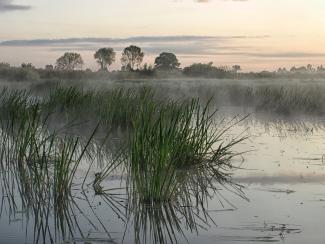
The Salaca is one of Latvia’s most scenic rivers, offering the opportunity to combine outdoor activities, spectacular natural landscapes, overnight stays along the riverbank and visits to the small towns of Northern Vidzeme in a single journey. The river flows out of Lake Burtnieks and, after a journey of nearly 100 kilometres, reaches the Gulf of Riga at Salacgrīva. The scenery changes considerably along the way – tranquil stretches give way to sandstone cliffs, caves and rapids, while towards the end of the journey, the river gradually widens before finally meeting the sea.
The Salaca is also the central feature of the Salaca Valley Nature Park, making a journey along the river an excellent way to discover one of the most scenically diverse areas of Northern Vidzeme. Visitors can embark on a multi-day paddling trip, go hiking or fishing, stay at a campsite, or simply enjoy a picnic by the water. For those who would rather trade a peaceful escape for a more demanding adventure, the Salaca offers an entirely different experience – paddling the river through the darkness of the night.
Paddling the Salaca – From a Two-Hour Trip to a Multi-Day Adventure
The Salaca is one of Latvia’s most popular rivers for paddling, and the route can be adapted to suit both the paddlers’ experience level and the amount of time available for the trip. The river is suitable for different types of boats, while the rest areas along its banks make it possible to plan anything from a two-hour excursion to a multi-day paddling adventure.
The paddling journey can begin in Vecate, where the Salaca flows out of Lake Burtnieks. The river is relatively calm as far as Mazsalaca, after which the scenery becomes increasingly dramatic. Beyond Mazsalaca, there is a stretch of sandstone cliffs and caves, leading through the Skaņaiskalns area. It is well worth stepping ashore here for a while to explore the surroundings on foot. Further downstream, several impressive sandstone outcrops can be seen along the riverbanks, while below Staicele, paddlers can encounter the Vīksnas Caves, Mērnieki Rapids and the Red Cliffs. Some of these landscapes are best experienced from the water, making paddling not only an outdoor activity but also a way to reach places that are less easily accessible from land. The journey ends in Salacgrīva, where the Salaca flows into the Gulf of Riga. The opportunity to begin the route in Latvia’s inland countryside and finish by the sea is one of the distinctive features that makes paddling the Salaca such a memorable experience.
Campsites and Accommodation Along the Salaca River
Exploring the Salaca does not have to be a one-day adventure. Along the river, there are well-equipped rest areas for paddlers, campsites and other accommodation options, making it easy to divide a paddling trip into several stages. As the Salaca Valley is a protected nature area, travellers should only camp and light fires in designated locations. A number of well-maintained recreation areas have been established along the riverbanks, many of which are also accessible by car. This makes it possible to enjoy the Salaca and its surroundings even for travellers who do not wish to embark on a long paddling trip.
Staying overnight by the river can become a memorable experience in its own right – an evening around the campfire, a swim, a sauna, or a peaceful morning coffee on the banks of the Salaca offer a slower and more immersive way to discover this part of Latvia. Accommodation is available around Staicele and Salacgrīva, as well as at other locations along the river, so it is worth planning the route and booking the most suitable overnight stop in advance.
Hiking and the Natural Landscapes of the Salaca Valley
The Salaca Valley is also ideal for those who prefer to explore the river from land. Salaca Valley Nature Park is characterised by sandstone outcrops, caves, forests, springs and scenic riverbanks, making it easy to combine paddling with shorter or longer hikes. One of the best-known destinations is the Skaņaiskalns area near Mazsalaca. Further downstream, the Mērnieki Rapids and Red Cliffs are among the most striking natural landmarks along the Salaca. Staicele is another worthwhile stop, where visitors can explore the town before continuing their journey through the river valley.
This type of itinerary makes it possible to combine several activities in a single day – for example, paddling part of the route, continuing with a walk along the river, and ending the day at one of the well-equipped recreation areas.
Fishing in the Salaca River
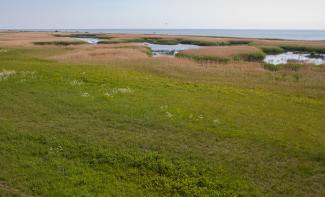
The Salaca River is also well known among anglers. It is an important habitat for salmonid species, but fishing in the river is regulated, with licensed fishing requirements applying to certain sections. Before heading out, anglers should therefore check the current regulations, seasonal restrictions, permitted fishing areas and required licences. These rules play an important role in protecting vulnerable fish species and preserving the natural values of the Salaca River.
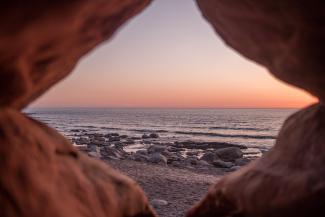
Salacgrīva’s identity has historically been closely connected to both the river and the sea. One of the area’s most distinctive local traditions is lamprey fishing and the traditional lamprey weirs, while the mouth of the Salaca River and the coastline offer a completely different landscape from the river’s upper reaches. If you have a whole weekend for your trip, Salacgrīva can serve as a convenient base for exploring more of the Vidzeme coast – head to Ainaži, the Randų Meadows, or travel south along the Vidzeme Rocky Seashore.
When Ordinary Paddling Is Not Enough – Salacas Mauciens
The Salaca can be enjoyed at a leisurely pace over several days, but once a year the river also becomes the setting for one of Latvia’s most unusual paddling challenges – Salacas Mauciens. The tradition began in 2003, when its founder, Māris Smilga, and a group of fellow enthusiasts decided to find out whether the entire Salaca could be completed in a single journey. During the first event, participants had to contend with rain, exhaustion and the limited experience available at the time with overnight paddling challenges of this scale. Over the years, the challenge has evolved into an established tradition that brings together experienced and adventurous paddlers.
In the classic route, participants paddle almost the entire length of the Salaca River – from Vecate to Salacgrīva – with most of the journey taking place at night. Calm stretches of the river give way to cliffs, rapids and various obstacles, while fatigue and darkness transform the familiar landscape into an entirely different experience. The section around Skaņaiskalns is particularly challenging, while Staicele serves as an important stop before the final stretch of the route. The last kilometres lead towards Salacgrīva, where, after a long night on the water, the journey comes to an end near the point where the river meets the sea.
Night-time paddling differs significantly from a typical daytime trip. Visibility is limited and constant concentration is essential, while, in a two-person boat, effective communication between paddlers becomes particularly important. For this reason, Salacas Mauciens should not be regarded as an ordinary tourist route – it is a physically and mentally demanding challenge that requires appropriate preparation, suitable equipment and careful attention to the safety requirements established by the organisers. Before the start, the latest competition regulations, technical information and safety requirements are published on the event’s official platform, so participants should review all current information carefully before registering.
The Salaca – One River, Many Adventures
The Salaca’s unique appeal lies in the many different ways the same river can be experienced. For some, it may mean a peaceful weekend with a tent and an evening around the campfire; for others, a hike along sandstone cliffs or a day of fishing; and for the more adventurous, an almost 100-kilometre overnight paddling challenge. The route can also be planned as a journey through Northern Vidzeme – starting at Lake Burtnieks, stopping in Mazsalaca and the Skaņaiskalns area, continuing towards Staicele and the lower reaches of the Salaca, and finally reaching Salacgrīva and the coast of the Gulf of Riga.
It is precisely this diversity of experiences that makes the Salaca worth returning to time and again. There is no need to explore the entire river in a single trip – sometimes, just a few kilometres of paddling, a walk along the sandstone cliffs and a picnic by the river are enough to discover a completely different side of Latvia.


