


Museums in Latvia’s small towns offer fascinating insights into the origins of local communities, the country’s cultural and historical development, the impact of war, and the environments that shaped the lives of writers, artists and prominent statesmen. Venturing beyond the museum walls, visitors can explore the character of historic town centres, scenic riverbanks, manor parks, ancient hillforts, traditional farmsteads and nature trails, making it easy to combine a museum visit with immersion in local ambience.
Let’s set off on a journey across Latvia, with stops in Vidzeme, Kurzeme, Zemgale and Latgale. Along the way, you’ll discover museums that preserve remarkable stories from the past, shedding light on significant periods in history, pivotal events and the lives of the people who shaped them. Together, they reveal unique regional traditions, heritage and character.
Holding on to history
The Turaida Museum Reserve brings together a medieval castle, a historic church, the former manor estate’s farmstead complex, Daina Hill, and exhibitions dedicated to the cultural heritage of the Livonians of the Gauja River. Allow several hours for your visit, as the extensive grounds feature nature trails and numerous cultural and historical landmarks. At the manor’s blacksmith’s forge, visitors can have a lucky horseshoe or commemorative coin forged, while the artist’s studio housed in the former stables offers pre-booked sand art performances.
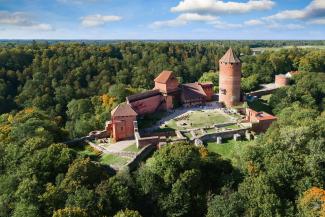
Bauska Castle stands on the narrow strip of land where the Mūsa and Mēmele rivers meet to form the Lielupe. The castle complex consists of two distinct parts from different periods: the ruins of the Livonian Order Castle, built in the mid-15th century, and the residence of the Dukes of Courland from the Kettler dynasty, constructed in the late 16th century. Visitors can explore the medieval fortress’s defensive system and see 17th-century cannons, while themed activities offer an insight into Renaissance court life, including period costumes, dances and traditional games. Climb the tower of the Livonian Order Castle for magnificent views over the Mūsa and Mēmele rivers and the point where the Lielupe begins.
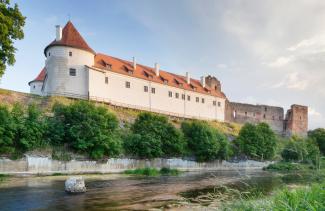
The Kuldīga District Museum is housed in the historic Bangert Villa, set in one of the most picturesque parts of Kuldīga Old Town, just steps from the Ventas Rumba waterfall, the historic brick bridge and the Town Garden. Its permanent exhibition, “The Home of a Wealthy Kuldīga Resident at the Beginning of the 20th Century”, offers a glimpse into urban life around 120 years ago. The gentleman’s study also displays part of the museum’s playing card collection, one of the largest in the Baltic States. After your visit, continue exploring Kuldīga Old Town, a UNESCO World Heritage Site.
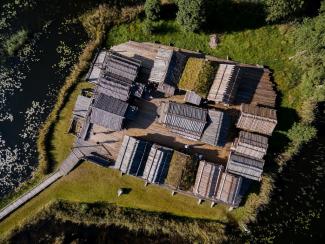
The Āraiši Archaeological Park is home to an impressive reconstruction of a fortified lakeside settlement dating back to the 9th and 10th centuries – the only site of its kind in Europe. Perched on an island in Āraiši Lake, the reconstruction stands in its original location, featuring a visitor centre that showcases archaeological finds uncovered during excavations alongside the story of archaeologist Jānis Apals, whose research brought the settlement back to life. On the lakeshore, visitors can also explore the ruins of a medieval castle of the castellum type, while the nearby Āraiši Church and historic windmill complete the experience. The reconstructed lake settlement offers a vivid glimpse into life in a fortified community more than a thousand years ago.
Where the old ways live on
At the Ausekļi Mill Open-Air Museum in Bārbele Parish, you can do far more than simply learn about traditional rural life – you can experience it for yourself. During the spring sowing and autumn harvest festivals, visitors can grind grain using hand mills, thresh crops with a horse-powered threshing machine, watch traditional ploughing demonstrations and discover a variety of traditional crafts, including blacksmithing, weaving, spinning and basket weaving. The museum also demonstrates butter churning and other everyday household tasks, offering an authentic insight into the wide range of skills once essential for life on a Latvian farmstead.
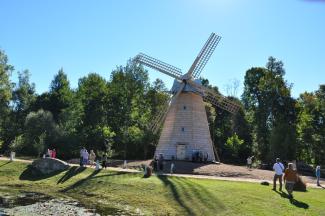
The Suiti Ethnic Culture Centre in Alsunga offers an immersive introduction to one of Latvia’s most distinctive cultural regions, where unique customs, traditional costume-making and age-old crafts have been carefully preserved. By prior arrangement, visitors can join a workshop at Austuve to watch the creation of traditional Suiti costume elements and other textiles. At the Suiti Kitchen, you can take part in culinary heritage masterclasses and sample hearty regional dishes. The Suiti Heritage Collection displays traditional costumes and textile crafts while revealing the history and craftsmanship behind these remarkable cultural treasures.
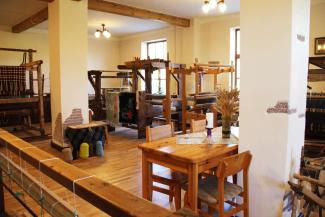
The Salacgrīva Museum showcases the rich fishing heritage of Latvia’s Vidzeme Coast and the Salaca River. Its exhibition explores traditional lamprey fishing using fixed weirs, salmon trap fishing in Kuiviži and the customs of local coastal fishing communities. In the Salacgrīva region, lampreys are traditionally known as zutiņi – a historic local dialect word that remains in use today. Visitors can watch a film about lamprey fishing, try building a traditional fishing weir and weave a strip into a rag rug. If your visit coincides with the lively Fishermen’s Festival, you’re in for an unforgettable experience. There’s plenty to see and enjoy!
Military memories
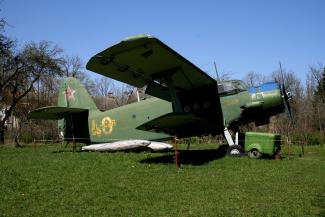
The Kurzeme Fortress Museum tells the story of the dramatic events that unfolded in Kurzeme during the final years of the Second World War, in 1944 and 1945. The open-air exhibition features military equipment from both the First and Second World Wars, including an aircraft, an armoured personnel carrier and a Red Army tank, alongside reconstructed trenches and bunkers. The museum’s collection also includes artefacts from the Stone Age and later historical periods. Visitors can round off their experience by tackling the military-style obstacle course, enjoying a picnic by the campfire or relaxing beside the pond.
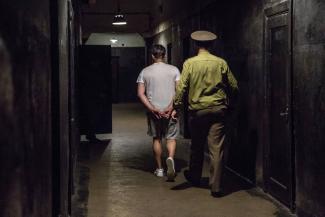
Karosta Prison is the only former military prison in Europe open to visitors – and one from which no prisoner ever escaped. Built around 1900, the prison served as a military detention facility for disciplinary punishment. The last inmates left inscriptions on the cell walls as recently as 1997, adding to the site’s haunting authenticity. Thrill-seekers can take part in the immersive “Behind Bars” experience or test their wits in one of the prison’s escape rooms, while the truly fearless can spend the night in an original prison cell. Karosta Prison has been recognised as one of the world’s most surprising and unusual places to stay.
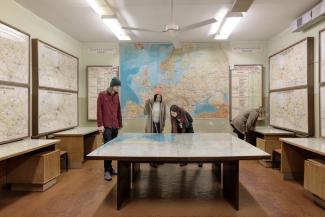
The Soviet Secret Bunker in Līgatne lies nine metres underground and was once intended as a secure shelter for the Latvian communist leadership in the event of nuclear war. For more than 30 years, employees and visitors at the rehabilitation centre above had no idea what lay beneath their feet. Today, the bunker remains remarkably well preserved, with its original communications systems, power supply, air filtration and water infrastructure, as well as authentic maps, everyday objects and the canteen. By prior arrangement, visitors can enjoy a meal served in authentic 1980s Soviet style or take part in the immersive “Object X” reality game, stepping into the roles of secret agents.
Unusual collections and specialty museums
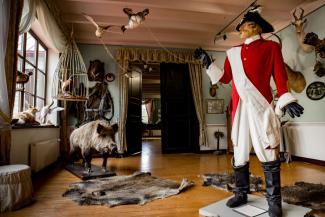
The Münchhausen Museum in Dunte is dedicated to the life of the legendary storyteller Baron Hieronymus Karl Friedrich von Münchhausen and the extraordinary tales of his seemingly impossible adventures. The exhibition features historical weapons, hunting trophies, a wax figure of Münchhausen and displays exploring the lives of the Baron and his wife, Jacobine. Surrounding the museum is Europe’s longest aspen boardwalk, lined with 55 wooden sculptures inspired by Münchhausen’s stories. Visitors can choose from several walking routes, with the longest leading all the way to the shimmering white sands of the Vidzeme coast.
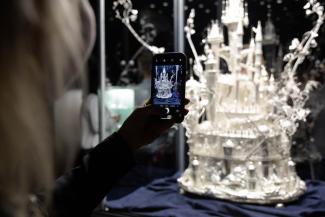
The Living Silver Museum in Limbaži showcases the large-scale creations of master silversmith Oļegs Auzers, whose works combine artistic vision, philosophy and exceptional craftsmanship. At the heart of the collection is “The Castle of the Future. 3001”, described as the largest silver castle in the world. Other highlights include “Noah’s Ark”, “Cain and Abel”, “The Rose of Turaida”, the “Accordion” musical silver cup and many other remarkable works. After exploring the exhibition, visitors can purchase handcrafted jewellery and other silver creations as lasting reminders of their time in Latvia.
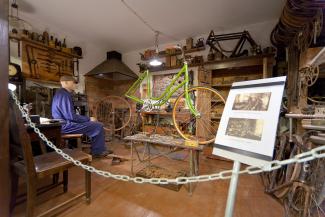
The Saulkrasti Bicycle Museum is home to the remarkable collection assembled by father and son Jānis and Guntis Seregins. It features bicycles manufactured and used in Latvia, including a penny-farthing built in 1887 at Emīls Matīss’s workshop in Liepāja and an 1888 “Safety” bicycle produced by the A. Leitner Factory. One of the museum’s most unique exhibits is a one-of-a-kind wooden bicycle, built in 1940 by aircraft designer Kārlis Irbītis using materials originally intended for aircraft construction. The museum also boasts the largest collection of bicycle head badges in Eastern Europe, with more than 1,000 emblems from around the world. A truly impressive sight!
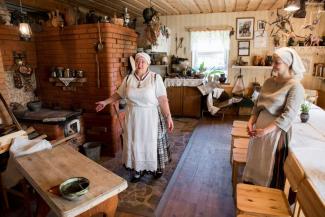
The Aglona Bread Museum houses hundreds of artefacts related to grain processing and traditional bread baking, including flails, bread peels and wooden kneading troughs. Visitors are welcomed by the museum’s host, dressed in a traditional Latgalian costume, who introduces them to rye grain, the bread-making process, Latgalian folk songs and regional cuisine. As part of a pre-booked programme, you can shape and bake your own loaf of bread, try grinding grain with hand mills and enjoy a tasting of traditional Latgale dishes.
Honouring the legacy of remarkable figures
Rainis Museum Tadenava is located at the childhood home of Latvia’s celebrated poet and playwright Rainis (Jānis Pliekšāns) in Dunava Parish. Born on 11 September 1865 in the sauna building of the Varslavāni homestead, Rainis spent the first three and a half years of his life at the Tadenava manor farm. The museum’s interactive exhibition is designed as a journey, with the motif of the sun guiding visitors through the family’s living spaces, the poet’s childhood memories and his enduring literary legacy. Hands-on activities throughout the exhibition also make the museum an enjoyable destination for families with young children.
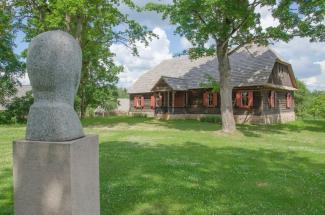
Rūdolfs Blaumanis Memorial Museum is located at the writer’s former home and workplace near Ērgļi. The restored tenant farmer’s homestead, typical of the Vidzeme region, includes eight traditional wooden buildings: the farmhouse, granary, threshing barn, horse stable, grain storehouse, cowshed, sauna and livestock barn. The peaceful rural setting brings to life the countryside so vividly portrayed in Blaumanis’s literary works. Visitors can also follow walking trails through the museum grounds to landmarks such as the Lightning-Struck Stone, Noliņš’s Apple Tree, the Pirtsgrava Spring and several other sites associated with the writer’s life and legacy.
The Jānis Rozentāls Saldus History and Art Museum is spread across a complex of four buildings and is the only place in Latvia where visitors can view original works from the artist’s early creative period. One of the buildings, complete with an artist’s studio, was designed by Jānis Rozentāls himself and now houses the contemporary exhibition “Tower of Dreams”, which tells the story of Saldus, its surrounding region, the artist’s contemporaries and his family. Outside, on the steps leading to St John’s Evangelical Lutheran Church, seven life-sized bronze sculptures recreate the figures from Rozentāls’s celebrated painting “After the Service”.
The Oskars Kalpaks Museum and Memorial Site is located at the site where Colonel Oskars Kalpaks, the first Commander-in-Chief of the Latvian Army, and three fellow officers lost their lives. The exhibition tells the story of Oskars Kalpaks, the battalion he commanded, the formation of Latvia’s national army and the history of the memorial site, offering insight into both his military achievements and his life as a person. International visitors can explore the museum with an audio guide available in English and German. The grounds also feature a small park, a campfire area and an obstacle course.
As you travel across Latvia, be sure to include some of the country’s fascinating regional museums in your itinerary. They offer far more than exhibitions – they preserve the stories, traditions and cultural heritage that have shaped Latvia’s identity over the centuries. Discover remarkable places, meet inspiring people and experience history where it truly comes to life. Come and explore – Latvia is ready to surprise and inspire you.


