


Latvia is a country with a rich cultural heritage and a vibrant contemporary creative spirit. Here, in every region, you can enjoy art and culture in a variety of forms – from ancient castles and folk traditions to the newest adventures in contemporary art.
Here, history meets innovation – classical art values combine with experimentation, and creativity is found not only in museum halls, but also on city streets and natural landscapes. We invite you to embark on a romantic and inspiring journey through Riga and all regions of Latvia and discover a part of this magnificent kaleidoscope of the Latvian art world.
Riga – from classics to creativity and innovation
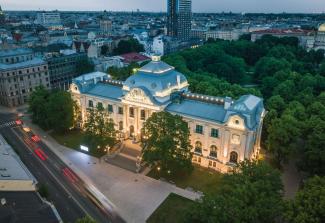
Riga, the capital of Latvia, is like a living cultural canvas, where both the great testimonies of the past and the bold expressions of contemporary art are visible at the same time. In the heart of the city is the Latvian National Museum of Art, which houses more than 52 thousand works of art, encompassing the treasures of Baltic art over two centuries. Here you can feel the rhythm of art history, which has shaped the cultural identity of Latvia. And, of course, we must mention the Riga classic – the “National Opera and Ballet Theatre” – a building decorated with white columns, where the art direction developed over the centuries invites you on a beautiful adventure. The Riga Opera Festival takes place here every summer, and compositions by Verdi and other classical composers are performed every day for your enjoyment.
If you want to see the world’s largest collection of Latvian art, you must go to the Zuzeum Art Centre. International contemporary art exhibitions are held here, inviting world-renowned artists. For example, in 2024, you could see the ambitious solo exhibition Utopian Cells by American artist Donna Huanca.
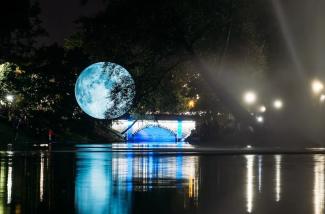
The festival Staro Rīga has become a city tradition, during which buildings, squares, bridges and monuments are transformed into unique works of light art, and Baltā nakts – a forum for contemporary culture, where you can enjoy a wide variety of artistic experiences – concerts, installations, performances, poetry readings, dance and other expressions of creativity.
Riga also has no shortage of experimental performing arts; for example, the international new theatre festival Homo Novus takes place every autumn, where contemporary theatre and dance works are performed in the most unusual places (from abandoned shops to parks or apartments). The city is home to the Contemporary Art Centre, which organises the Survival Kit festival, giving voice to socially active art in unusual exhibition formats. The Digital Art House – a fusion of art and HD projection, 360° cinema and surround sound technologies – gives Riga’s art world a modern charm. Multimedia exhibitions are a new way to experience art – grand projections of works by world-famous artists, brought to life by digital artists and accompanied by breathtaking music. Meanwhile, on the banks of the Daugava, art lovers are invited to the floating stage Noass, where exhibitions, poetry readings and open-air cinema screenings take place in the summer.
Such oases of creativity certainly allow you to experience the city in unexpected and interesting ways.
Kurzeme – the sea, the wind and its harsh nature... do not interfere with art
The Kurzeme region has long been famous for its lively maritime spirit and independent thinking, which is also reflected in the region’s artistic and cultural life. The pride of the region’s largest city is the concert hall Lielais dzintars, where the “International Star Festival” takes place every spring, where the Liepāja Symphony Orchestra invites outstanding soloists from all over the world to participate. However, Liepāja is not only a place to enjoy classical art, but also a platform for avant-garde experiments. For example, the international festival Skaņas dienas brings together young media artists and programmers, offering audiovisual performances with live programming and algorithm-generated music. At this event, industrial spaces are filled with electronic sounds, light rhythms and unconventional instruments. Meetings of live programming artists, performance programmes and creative workshops take place. Nearby is the majestic Karosta, a historic naval fortress district that has become a source of inspiration for artists. The annual Karosta Festival invites you to look at the life of the 135-year-old military town through photography, contemporary art, and other interesting events.
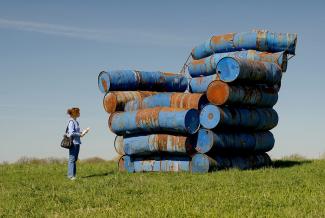
In the north of Kurzeme, in the picturesque valley of the Abava River near Sabile, there is a unique art oasis – Pedvāle Art Park. Pedvāle is a 150-hectare open-air area included on the state list of protected cultural monuments. This scenic park is home to dozens of large sculptures and environmental art objects created during symposia and plein airs by various artists. Every summer, sculptors and artists of other genres from all over the world gather in Pedvāle to create new works outdoors, and open-air exhibitions, performances and concerts are held here under the open sky.
The small, romantic Aizpute in South Kurzeme is one of the most notable spots for contemporary art. In the historical complex of buildings in the city centre, Serde is located – a workshop and residency centre formed by an interdisciplinary artists’ association. During the summer season, the residency programme welcomes artists from different countries, offering workshops for working with ceramics, metal, wood and even one of the largest analogue photography studios in Latvia. During the residencies, sculptures, wall paintings, performance projects and installations are created in Aizpute, which often leave their mark on the urban environment. Meanwhile, the former Jewish prayer house in charming Kuldīga is now home to the contemporary art centre Kuldīgas Mākslas nams. The restored building has a two-story exhibition hall, where solo exhibitions of both Latvian and foreign artists, group exhibitions and multimedia projects are regularly held.
The lure of Zemgale culture
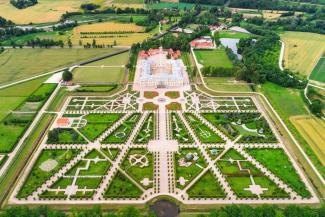
Zemgale, the southern plains region of Latvia, entices with the elegance of manors and castles and diverse events that highlight the region's character and cultural diversity. Here is the Rundāle Castle - the most outstanding monument of Baroque and Rococo architecture and art in Latvia, and here visitors are also greeted by the symmetry of French gardens, which bloom with thousands of magnificent tulips in spring, and which intoxicate visitors with the scent of roses in summer.
Bauska Castle, which is the only restored Renaissance and Mannerist castle in Latvia. It tells the story of the times of the dukes, and, among other things, introduces the medieval fortress’ defence system and the castle's 17th century cannon collection. In turn, the Jelgava Castle is an example of the early creative phase of the great architect Francesco Bartolomeo Rastrelli and one of the few architectural monuments of Jelgava that has survived to this day. It is also the largest Baroque castle in the Baltic States. Worthy of note is the Ģederts Elias Jelgava History and Art Museum, the building of which was built in 1775 according to the plan of the last Duke of Courland and Semigallia, Pēteris Bīrons, on the site of the former ducal city palace. The museum’s exhibitions tell the story of significant events in Jelgava and the surrounding region from ancient times to the present day. The offer is also complemented by modern virtual exhibitions – by putting on 3D glasses, you can “see” Jelgava at different stages of history and experience the city’s transformations in virtual reality.
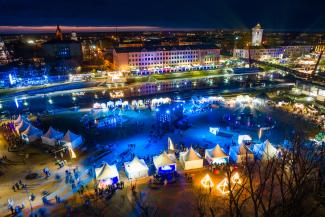
Nowadays, Jelgava has become famous for its Ice and Sand Sculpture Festivals. At the beginning of February, Jelgava invites you to immerse yourself in the world of ice art – the International Ice Sculpture Festival brings together dozens of sculptors from many countries. In the summer, Jelgava is pleased with the International Sand Sculpture Festival, where delicate quartz grain sculptures reveal the imagination of artists, delighting thousands of visitors.
If you are in Zemgale, also visit Dobele to feel how modern architecture highlights medieval walls and exhibition spaces, Jēkabpils, if you are interested in a private art gallery with several decades of history and an extensive exhibition programme, or Svitene, if you are tempted by modern bohemianism and summer plein airs of artists.
Vidzeme – cultural landscapes from Cēsis to the Daugava River bends
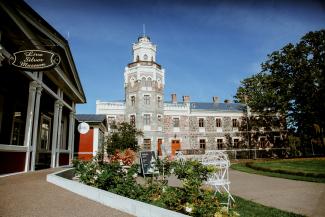
Sigulda, in Vidzeme, near Riga, is a city that many associate with viewing platforms, a cable car across the river and autumn colours, but the city also has a very lively creative side. A creative quarter has been created in the vicinity of Sigulda’s New Castle, where workshops for craftsmen, artists and designers are located in the old manor farm buildings. In addition to historical exhibitions, art exhibitions are also regularly held here, while the luxurious festive halls become the backdrop for chamber music, literary evenings and thematic programmes. In Sigulda, one of the most unusual art experiences in Vidzeme is the Sand Gallery in Sigulda, where artist Elmārs Gaigalnieks creates colourful, three-dimensional sand performances. Sand, light and music transform themselves into moving stories about the creation of the world, natural elements and human emotions. But in the second part of the performance, the artist draws portraits of the audience with a pen.
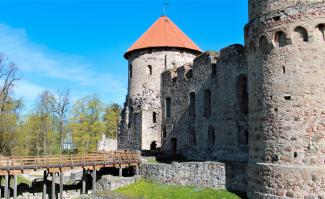
Cēsis entices with its ancient architecture and aura. Latvia's historical heritage is the Cēsis Castle complex – medieval castle ruins, which together with the park create a romantic atmosphere. Here, the diverse collection of the Cēsis History and Art Museum holds a special place in the cultural history of Latvia. Latvian art lovers can go to the World Latvian Art Centre, where Latvian exile and diaspora art from different countries of the world can be viewed in one place. But if you want something unusual, then the art space Mala is a suitable bohemian café and cultural space with regular concerts, exhibitions, poetry evenings and film screenings.
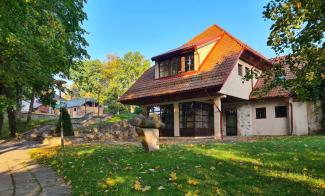
In recent years, Valmiera has established itself as a dynamic cultural centre, where theatre, contemporary art, and the urban environment merge into one whole. The Valmiera Museum, housed in a complex of several wooden buildings and a renovated exhibition hall, preserves both historical and artistic stories. The permanent exhibition takes you on a journey through the life of the ancient Hanseatic city – from the world of merchants to the tools of craftsmen and the everyday life of the castle residents. The former boiler house Kurtuve located in the very centre of the city has become an interdisciplinary art space that combines exhibitions, performance art, and discussions. Both contemporary art projects and installations are created here, which often involve the urban environment and the riverbank. Not far from Valmiera is Caurumkrogs – a historic pub that has been transformed into an unusual open-air painting gallery.
To understand the nuanced art world of Vidzeme, also visit one of the oldest museums in Vidzeme, the Madona Museum of Local History and Art, the Alūksne County Museum, which is in the castle complex, the Gulbene County Museum of History and Art and the elegant Stāmeriena Castle.
Latgale – art in Daugavpils Fortress and the soul of the land of lakes
Latgale, the eastern part of Latvia, welcomes travellers with special warmth. Here, the paths of art and spirituality wind through the sounds of church bells, ceramic workshops and modern art galleries. Daugavpils is home to a unique place – the Rothko Museum. It is housed in the historic fortress arsenal building, which today houses spacious exhibition halls. The Rothko Museum is the only place in all Eastern Europe where you can see original works by the world-famous abstract expressionist Mark Rothko. Daugavpils proves that in skilled hands, a military heritage can turn into a bold cultural metropolis that tells the story of Latgale to the world.
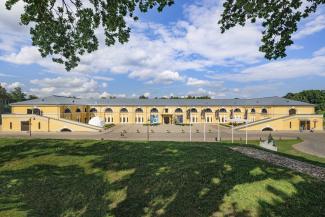
Daugavpils is also the capital of Latvian ceramics. Master classes, plein airs and exhibitions take place in the premises of the Daugavpils Fortress, but no less special is the Daugavpils Clay Art Centre – a place where you can get to know the Latgalian ceramic tradition and contemporary interpretations. Here, ceramists work in an open workshop every day, classes and master classes are held here, and unique Baltic “raku” ceramics can also be seen, which are created by subsequently processing the dishes in a liquid of fermented rye flour. In turn, the Latgale Cultural History Museum keeps one of the most extensive collections of Latgale ceramics in Latvia – tens of thousands of objects that tell the story of the region’s lifestyle, crafts and art over the centuries. In addition to clay, permanent and changing exhibitions also feature paintings, graphics and exhibitions of works by local artists.
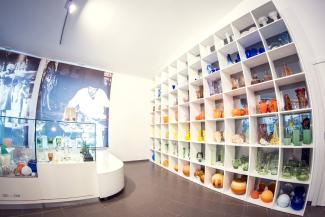
Not far from Lake Rāzna is the Lūznavas Manor – a pearl of Latgale Art Nouveau, which was originally built as a place for art and music and today lives a life that corresponds to this idea. Cooperation projects with art centres are taking place in the exhibition halls. Both Latgalian ceramics and contemporary painting and photography are exhibited here, often with a connection to the surrounding landscape. In turn, the small Latgalian town of Līvāni is closely associated with glass, as the Līvāni glass factory operated here for more than a century. Therefore, the Līvāni Glass and Crafts Centre allows you to purchase products from a glassblowing workshop, see the exhibition Līvāni Glass Museum, as well as glassblowing workshops, which allow you to see how glass products are made by glassblowers.
Pie Daugavas lokiem esošā Krāslava piedāvā vēl vienu svarīgu pieturu Latgales mākslas kartē – “Krāslavas novada muzeju” Krāslavas pils kompleksā. Muzejs atrodas vienā no 18. gadsimta pils ēkām un piedāvā vēstures, etnogrāfijas un mākslas ekspozīcijas.
Latvija iedvesmo – lai kurp jūs dotos, māksla un kultūra te vienmēr būs līdzās, apvijot ik dienu ar romantikas un radošuma dzirksti.


